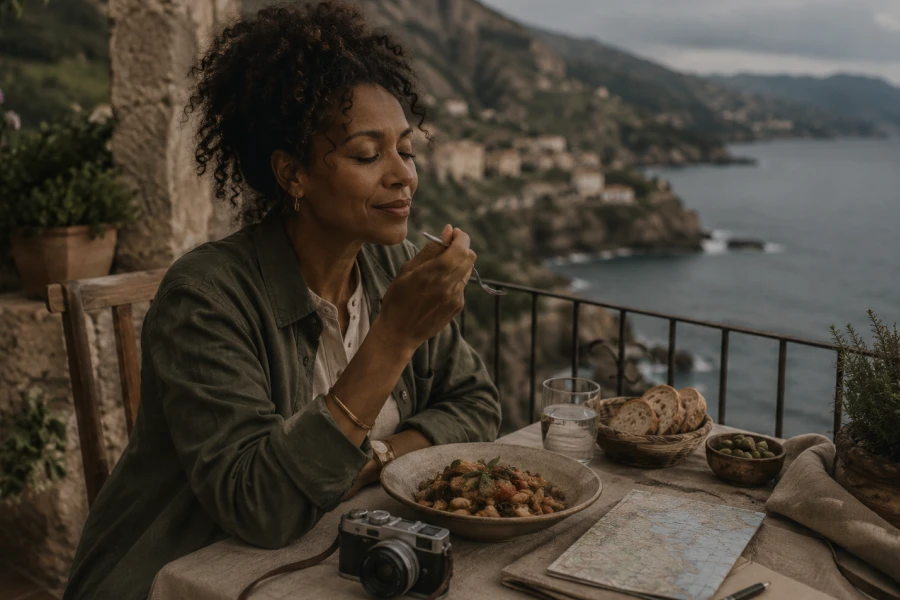
Souvenirs often end up in drawers. A memorable meal can stay vivid for years. Travel food experiences bring a destination into your senses. They turn a neighborhood into a flavor, sound, and conversation. You remember where you sat. You remember the first bite. You remember who made the recommendation. Those details make a place feel personal. Food also slows travel down in useful ways. It asks you to pause, observe, and participate. That is why culinary memories often become a trip’s strongest keepsakes.
Meals are naturally tied to emotion and setting. A rainy lunch can become part of a city’s story. So can a bright market morning or a crowded late-night counter. The experience matters beyond the plate. Notice the people, sounds, and rituals surrounding your meal. Give yourself time to sit without checking directions. Let conversation unfold when it feels welcome. You do not need a grand event for a meaningful memory. Small meals often become the most personal ones. A simple snack can carry an entire afternoon.
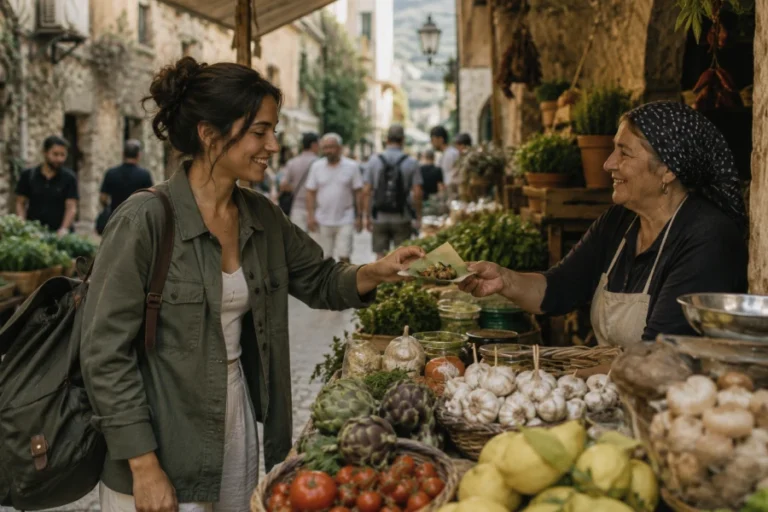
Restaurants offer only one view of a food culture. Consider markets, farms, neighborhood shops, and small workshops. Try cultural cooking classes when you want more context behind a dish. A hands-on experience reveals ingredients, techniques, and household traditions. It also gives you a reason to ask thoughtful questions. Choose classes that emphasize local products and realistic methods. Do not worry about mastering every step. Focus on the story behind the preparation. That story often matters most later. Learning creates a deeper connection than simply ordering.
Memory fades quickly when days become busy. Keep a brief travel food journal during your trip. Write down what you tasted and where you found it. Include one sensory detail beside each entry. Maybe the bread was smoky. Perhaps the fruit was unexpectedly floral. A few words are enough. These notes make later reflection more vivid. They also help you recognize patterns across regions. Your own record becomes more useful than a generic list. It preserves the feeling behind every meal.
Travel food should never become a contest. You do not need to prove bravery through unfamiliar dishes. Instead, practice respectful food travel by approaching each meal with humility. Ask about ingredients before ordering. Honor dietary needs without making them someone else’s problem. Accept that some dishes may not appeal to you. Thank people who take time to explain. Curiosity works best when it feels reciprocal. Good travelers learn without expecting constant accommodation. That mindset leads to warmer interactions. It also keeps food exploration enjoyable.
One visit can introduce a place. A return visit creates recognition. Go back to a café that felt comfortable. Reorder a dish that surprised you. Ask whether the menu changes through the week. Familiarity gives you a better view of local routines. It also lets staff recognize your interest over time. Do not rush toward novelty every day. Repeat visits can become the most authentic part of a trip. They turn a recommendation into a relationship. Even brief familiarity can make a destination feel more open.
Food memories can shape later journeys in powerful ways. A meal may inspire you to visit another region. It may change what you shop for at home. You could learn a recipe from a new perspective. Share stories, not only photographs, with friends. Describe the setting as clearly as the flavor. Let the experience remain specific to its place. That specificity protects it from becoming a vague travel anecdote. The best food stories are rarely about perfection. They are about discovery, attention, and connection.


Leave a comment