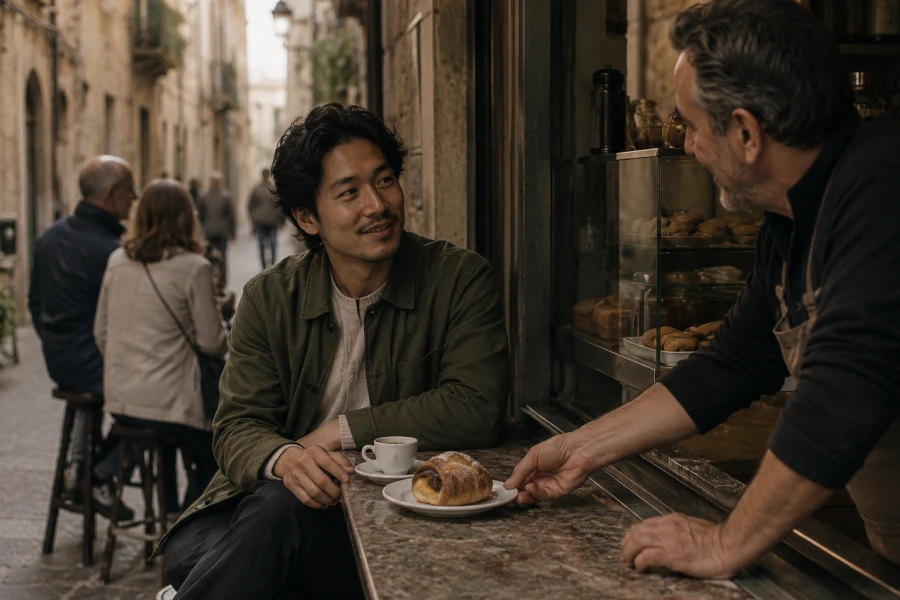
Travelers often want local meals but accidentally create unnecessary pressure. They chase one perfect address and miss the city around them. Eat like a local abroad by making room for ordinary rhythms. Choose a bakery before a landmark breakfast. Stop where people take their lunch break. Let one meal be simple and another more adventurous. This approach reduces decision fatigue. It also creates more genuine surprises. You do not need expert knowledge to begin. You only need patience, observation, and a willingness to adjust.
Every place has an informal food schedule. Some cities eat late. Others rely on quick counter service during the day. Notice when cafés fill and when markets become busiest. These rhythms help you avoid tourist-centered assumptions. A neighborhood may look quiet before its usual meal hour. Give it time before moving on. Watch which places welcome solo diners. Pay attention to what people carry home. Ordinary habits often reveal the most useful food clues. Your timing can matter as much as your destination.
Ordering too much unfamiliar food can make a meal feel like research. Start with one dish that clearly belongs to the region. Use regional specialty research to understand basic ingredients before you arrive. Then leave room for staff advice. A single thoughtful choice creates a better memory than a crowded table. Notice how the dish is served. Ask what people pair with it. Let your taste guide the next order. Familiar flavors can become a bridge to new ones. Confidence grows one meal at a time.
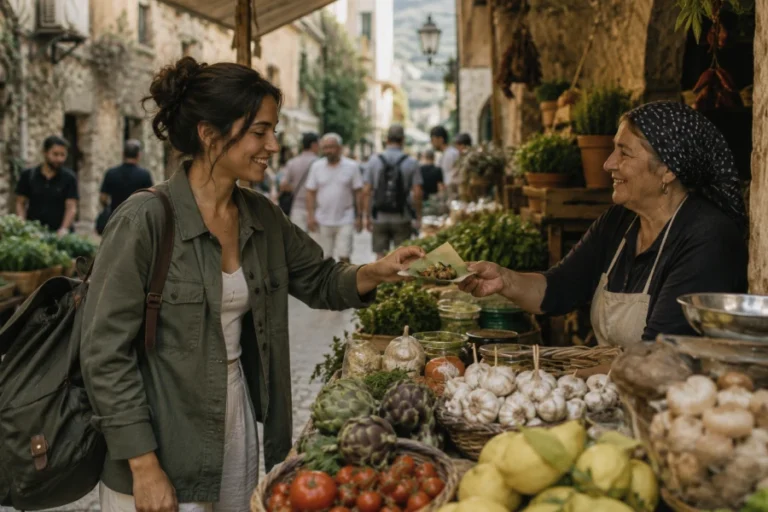
Respect is part of good travel behavior. Do not assume a restaurant exists to explain itself. Learn a few polite phrases before entering. Practice street food etiquette for markets, counters, and shared tables. Follow local payment habits when possible. Ask before photographing vendors or diners. Keep criticism private when food differs from your expectations. Curiosity should feel generous, not demanding. Staff members often respond warmly to respectful guests. That welcome can transform an ordinary stop into a memorable exchange.
Not every meal needs to test your limits. Travel already asks a lot from your energy. Choose familiar formats when you feel tired or overwhelmed. Use local menu confidence to make decisions without overthinking them. Ask for one recommendation from the menu. Pair it with something recognizable. This balance keeps food exploration enjoyable. It also makes it easier to return the next day. The best discoveries happen when you feel comfortable enough to stay curious. Build trust with yourself first.
A food-first route can reveal parts of a city that major attractions miss. Plan a morning around a bakery district. Follow a market with a nearby park. Save a neighborhood restaurant for the evening. Consider foodie travel planning when organizing your walking day. It gives meals a role beyond convenience. You also spend less time backtracking between reservations. Let a dish, market, or class become an anchor point. The city starts to unfold in a more relaxed way. That rhythm feels less like consuming and more like participating.
Local dining teaches attention that continues after travel ends. You may notice your own neighborhood differently. You might ask better questions at restaurants close to home. The memory of a shared meal can outlast souvenirs. Keep recipes, notes, or ingredient lists when they matter. Recreate one simple dish without trying to duplicate the whole trip. Tell the story behind the meal when you share it. That context keeps the experience human. Travel changes taste through observation. Let that change stay with you.

Leave a comment