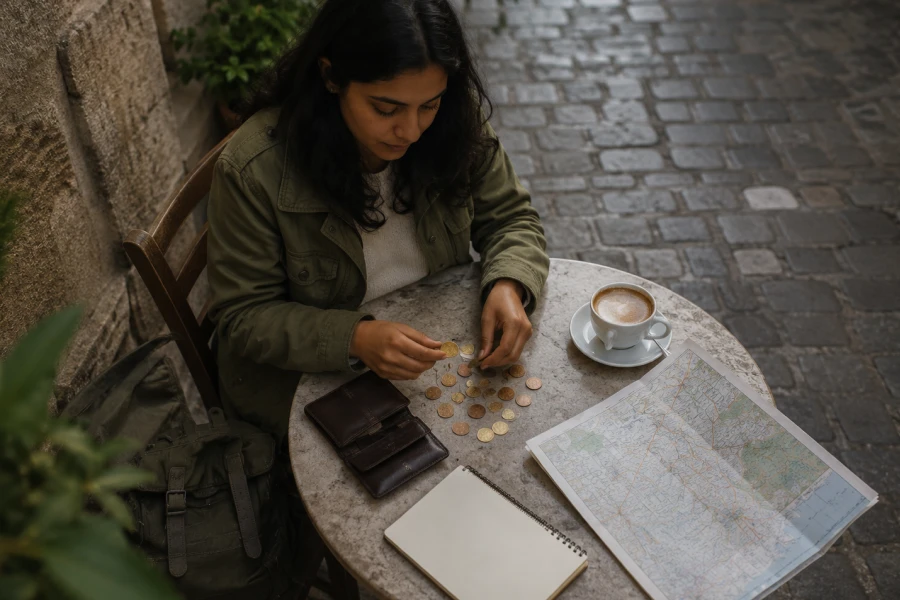
Travel spending becomes stressful when every choice feels disconnected. A Europe daily budget gives your money a clear direction. It turns vague concern into manageable decisions. You can see when to slow down. You can recognize when a special experience fits. The purpose is not perfect control. It is steady awareness. A realistic number helps you enjoy the present without dreading the final bill. It also creates useful flexibility. With a simple system, spending becomes part of planning instead of a constant distraction.
One daily number is useful, but categories make it practical. Separate food, local transportation, activities, and personal purchases. You do not need to track every cent. Focus on the areas where spending changes fastest. Build a small margin into each day. Some destinations naturally cost more than others. A flexible system lets you account for that. Keep fixed expenses outside the daily total when possible. This distinction makes your day-to-day choices clearer. Clear categories reduce the feeling that money is disappearing without explanation.
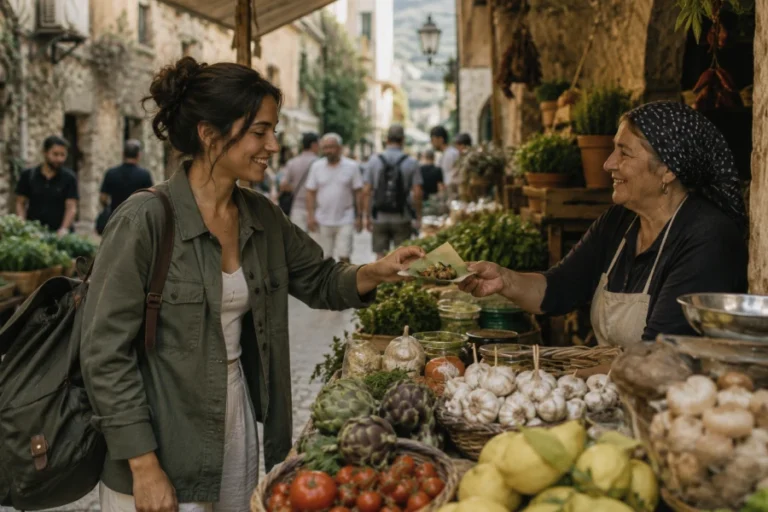
Payment habits vary by destination and business type. Carry a backup method without relying on one source alone. Review smart travel money habits before departure. Know your card’s fees and notification settings. Keep small cash for markets and minor purchases. Avoid exchanging more currency than you will use. Check balances regularly but calmly. You do not need constant monitoring. A few deliberate routines can prevent most avoidable problems. Preparation makes payment feel less like a surprise.
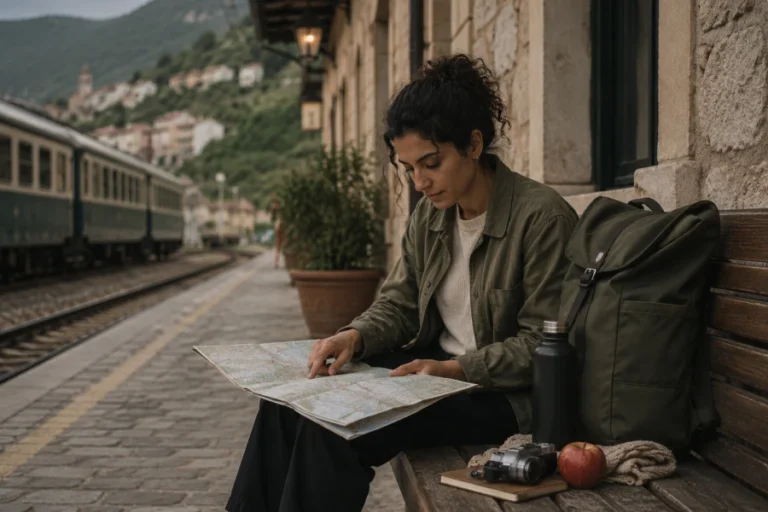
Your schedule affects your spending more than you might expect. Packed days can create expensive convenience choices. Long distances may lead to taxis and rushed meals. Build Europe itinerary planning around realistic travel time. Group nearby attractions together. Reserve busy days for places that justify the effort. Leave unstructured time in walkable neighborhoods. This reduces unnecessary transit and creates room for low-cost discoveries. A calmer route often supports a healthier budget. Energy management is part of money management.
Every traveler has a different definition of value. Write down three experiences that deserve your money. Maybe you want local food, theater, or a scenic train route. Then identify three areas where you can be more restrained. Use affordable travel planning to make those choices before emotions take over. This exercise keeps small purchases from crowding out bigger goals. It also gives you permission to spend when the moment truly matters. Priorities make tradeoffs feel intentional. They protect the experiences you will remember.
Small expenses can create the most confusion. Coffee, snacks, transit passes, and souvenirs add up quietly. Decide how often these purchases genuinely improve your day. Carry a reusable water bottle when appropriate. Buy groceries for a few simple meals. Choose walking routes that include interesting streets. These habits are not about deprivation. They help you reserve money for experiences with more personal value. The best systems feel natural after a few days. Consistency matters more than strictness.
Evening reflection can keep your budget on track. Look at what you spent and how it felt. Did a purchase save time or add enjoyment? Did another expense feel forgettable? Use that answer to shape tomorrow. Avoid judging yourself for normal travel costs. Instead, notice recurring patterns. A short review can prevent a small drift from becoming a major issue. It also teaches you what matters on future trips. Good budgeting becomes more personal with practice.

Leave a comment