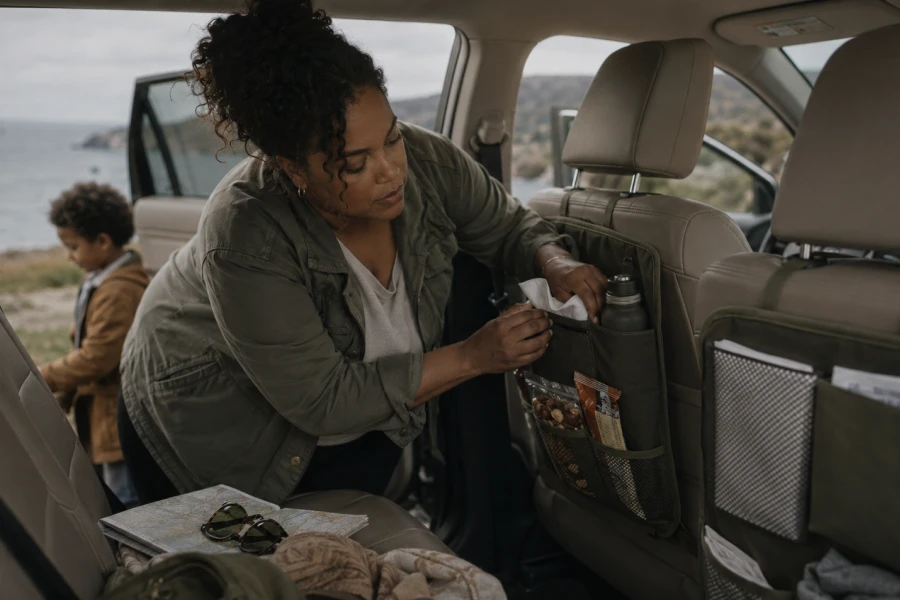
Nothing slows a road trip like searching through bags at the wrong moment. A long drive packing list prevents that frustration before it begins. It turns vague preparation into clear categories. It helps you remember essentials without filling the car blindly. The key is to create a list that reflects your real route. A summer day trip needs different items than a winter overnight drive. Passenger needs also change the plan. Good packing starts with context. Once you know the day ahead, choosing supplies becomes much simpler.
Route details shape what belongs in the vehicle. Consider distance, weather, traffic patterns, and planned stops. A remote route may require more water and backup power. A city-heavy route may require easier access to parking items. Build multi-day drive planning around what the journey actually demands. Check whether meals and fuel will be easy to find. Then adjust your supplies accordingly. Specific preparation prevents random overpacking. It also makes each item easier to justify. A route-based list stays useful from one trip to the next.
Emergency gear should not compete with snacks and entertainment. Give it a dedicated, recognizable spot. Keep core supplies together in a compact container. Include items that suit the season and your vehicle. Use emergency car packing to make access fast when you need it. Review the container before major trips. Replace missing or expired items promptly. Avoid moving the kit between multiple bags. One dependable location reduces stress during an unexpected situation. Preparedness feels easier when the system stays consistent.
Daily supplies should be easy to reach without shifting luggage. Water, tissues, chargers, sunglasses, and light layers belong near passengers. Place them in bins, pockets, or a small cabin bag. Keep objects from rolling under seats. Consider how each person will use the space. The goal is not to fill every compartment. It is to make common needs feel predictable. Choose durable containers that are simple to clean. Put the most frequently used items closest. Small conveniences matter on a long day.
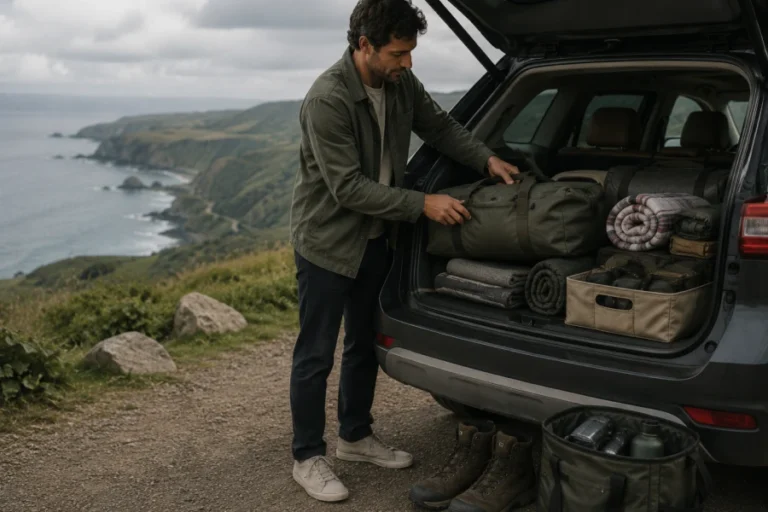
Overnight bags should leave the vehicle in one trip whenever possible. Pack pajamas, toiletries, and next-day clothing together. Keep them separate from daytime supplies. This reduces the temptation to unpack the trunk at night. Choose soft bags that fit easily around larger items. Place them near the hatch or door. Labeling may help when several travelers share space. Make sure important medication stays with the right person. A fast hotel arrival creates a calmer evening. It also helps you leave smoothly the next morning.
Comfort reduces fatigue and improves patience. Include layers for changing temperatures. Pack simple items that help passengers rest or stay occupied. Think about posture, snacks, hydration, and quiet entertainment. Do not dismiss comfort as an unnecessary extra. Long hours can make small discomforts feel large. Choose flexible items that serve more than one purpose. A light blanket can offer warmth, padding, or privacy. Keep comfort supplies neat and accessible. Better comfort supports a better attitude for everyone.
One strong list becomes more useful with every drive. Update it after each trip. Remove items that stayed untouched repeatedly. Add things you wished you had. Create a simple repeatable packing routine that covers safety, comfort, food, and overnight needs. Keep the list where you can find it easily. Review it a few days before departure. This allows time to replace missing supplies. A repeatable routine makes road travel feel much less stressful. It also frees your mind for the journey itself.



Leave a comment