
A low-cost European trip can still feel generous. Cheap Europe trip planning is about making smarter tradeoffs, not cutting every comfort. You can choose a slower route. You can travel during a quieter season. You can prioritize streets, markets, and public spaces that cost little. These choices create breathing room. They also protect the budget for moments that matter. The strongest plans start with honest priorities. Once you know what matters most, spending decisions become easier. That clarity can make the whole journey feel richer.
Dates influence almost every part of a trip. A few days can change airfares and hotel prices considerably. Consider shoulder-season travel when weather and crowds still suit your plans. Search several date combinations before choosing. Use flexible travel dates to create options rather than locking into one week. Midweek departures may offer better value. Regional holidays can also affect availability. Check local calendars before finalizing your route. Flexibility gives you more bargaining power. It can also lead to a calmer experience once you arrive.
Transport costs often grow through inefficient routing. Map your cities in order before booking long-distance tickets. Avoid bouncing between distant regions without a clear reason. Research European train savings before committing to individual journeys. Early reservations may help on popular routes. On other days, buses could be the more practical option. Let travel time influence the decision. An extra hour may be worthwhile when it saves meaningful money. Keep arrival times realistic. Smooth connections are often worth more than a tiny discount.
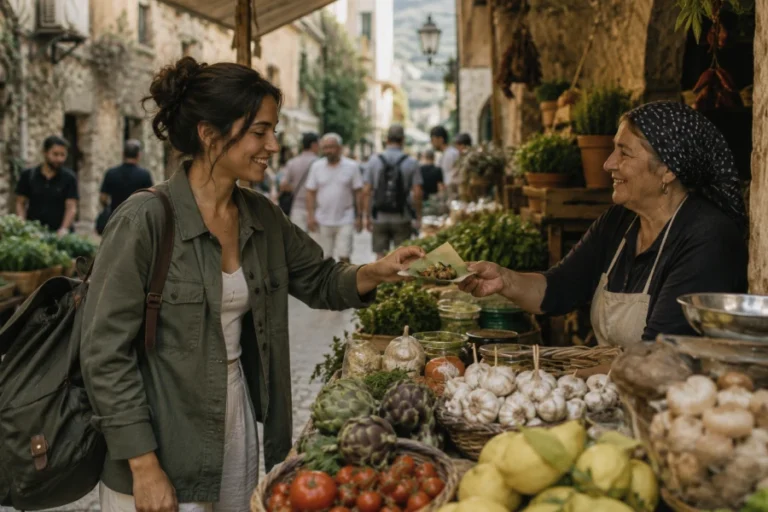
Food does not need to become an automatic expense trap. Build a mix of bakeries, markets, casual counters, and one or two special meals. Seek budget-friendly local meals close to the neighborhoods you already plan to visit. A simple breakfast can free up money for an evening experience. Consider lunch as your main restaurant meal in expensive cities. Read menus before sitting down. Buy water and snacks before you get overly hungry. This approach reduces impulsive choices. It also lets you enjoy local food without constant calculation. Thoughtful timing makes dining feel easier.
High prices do not always equal better memories. Some of Europe’s strongest experiences happen in public spaces. Wander historic neighborhoods at slower hours. Find viewpoints, gardens, riversides, and local events. Plan around free Europe experiences before adding expensive attractions. Then pay for the few places that genuinely interest you. This sequence protects both time and money. It also gives each paid activity more meaning. Do not fill every hour just because you are traveling. Space can become one of the trip’s best values.
Europe offers large cost differences across regions and cities. A route that includes one lower-cost stop can balance an expensive capital. Compare average meals, beds, and local transit before finalizing the itinerary. Look beyond well-known destinations. Smaller cities can deliver strong architecture, food, and atmosphere. They may also make your budget feel less restrictive. Keep the route geographically logical. Do not add a city only because it seems cheaper. The right destination supports both your interests and your overall travel flow. Balance creates a more satisfying journey.
Even a well-built plan needs flexibility. Weather shifts. Trains run late. A neighborhood may deserve more time than expected. Leave a modest cushion in both days and money. That space makes unexpected changes less stressful. It also allows you to take advantage of a local recommendation. Keep your booking details organized. Know where you can adjust and where you cannot. Preparation should support spontaneity, not erase it. A good plan gives you room to enjoy the unknown.



Leave a comment